



This is a dried herbarium (comprising five volumes) dating from around the mid-16th century. More specifically, it consists of two herbariums conventionally referred to as A and B. Herbarium A (a single volume), which predates Herbarium B, comprises 553 specimens arranged haphazardly on the front of the pages and, exceptionally – indicating the collector’s initial inexperience – also on the reverse.
Herbarium B (approximately 1,347 specimens) comprises four volumes in which the plants are arranged in alphabetical order and is accompanied by an index compiled by the author himself. Each specimen is mounted in its entirety: from the root to the flower and the fruit. With great care, the specimen is sometimes even cut open to reveal its interior.
The work is traditionally attributed to Gherardo Cibo (1512–1600), an eclectic figure originally from the Marche region, who, in 1540, withdrew from public life to devote himself entirely to his studies.
He did not publish any works: his work found expression in the visual rather than the literary realm – images of plants, flowers and natural environments, a practical application of the botanical studies he undertook in Bologna under the guidance of Luca Ghini. He corresponded with the leading botanists of the time: Pietro Andrea Mattioli, Ulisse Aldrovandi, Leonhardt Fuchs and Andrea Bacci.
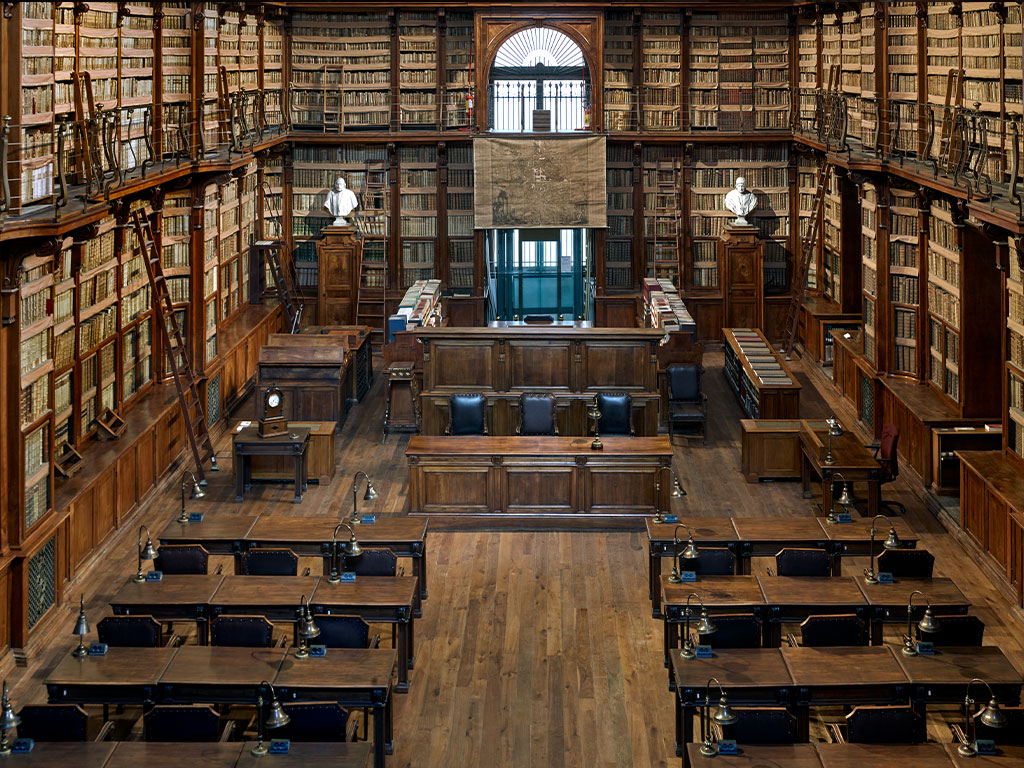
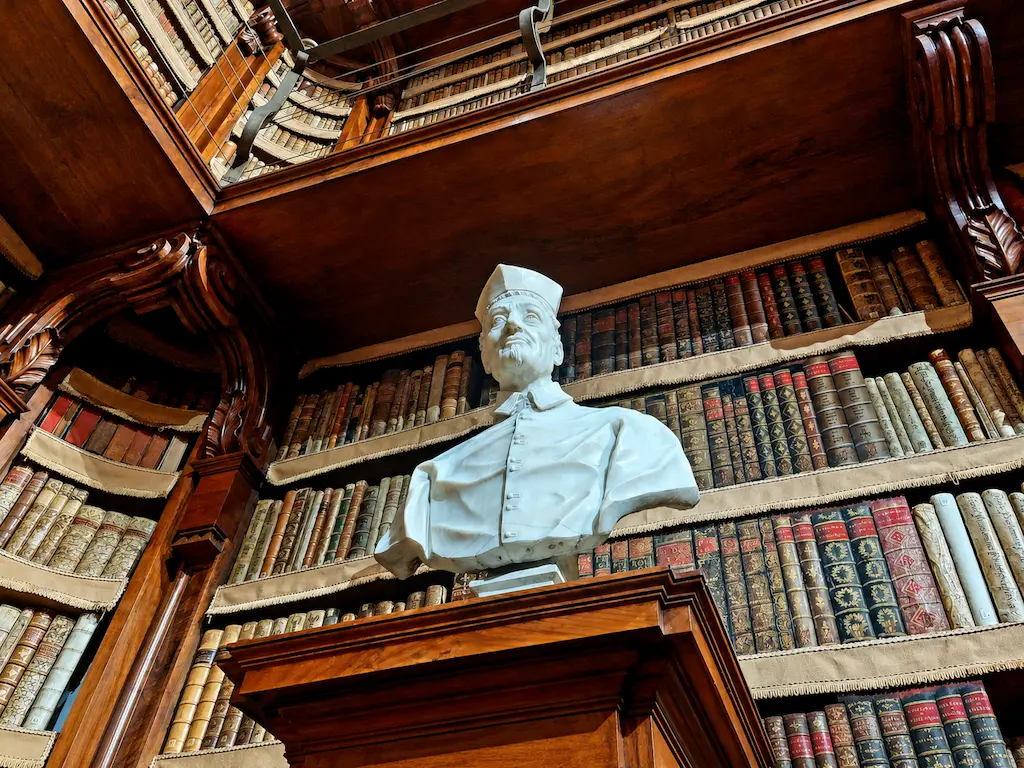
The presence of the herbarium in *Angelica* is already attested in the library’s original collection, as shown in the annotated and commented catalogue published in 1608 under the entry Res Arborea & Herbaria: Herbae ac Plantae reapsae super chartam conglutinatae pluribus tomis in folio comprehensae.