




Notice board 3 - Jubilee events throughout the centuries
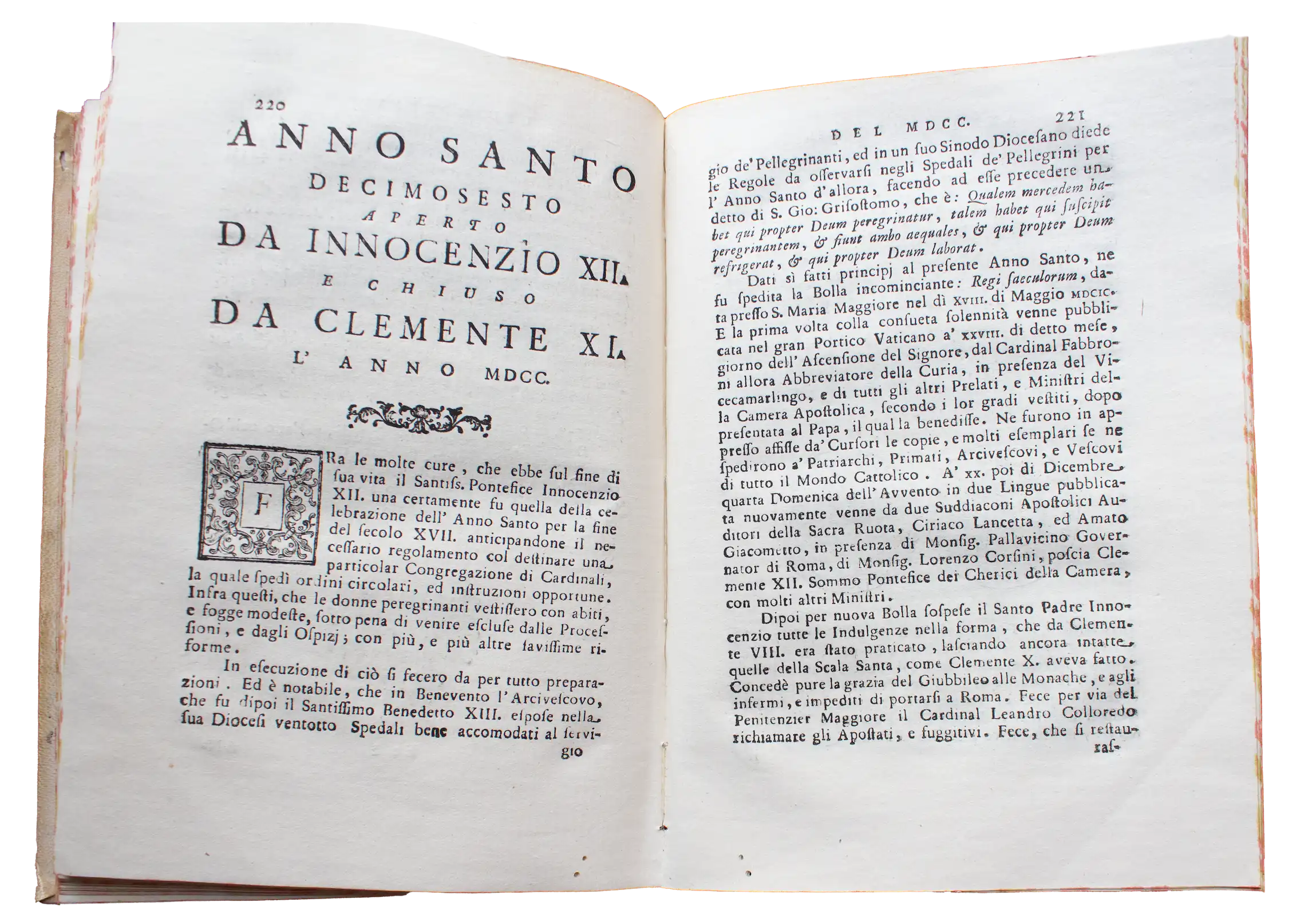
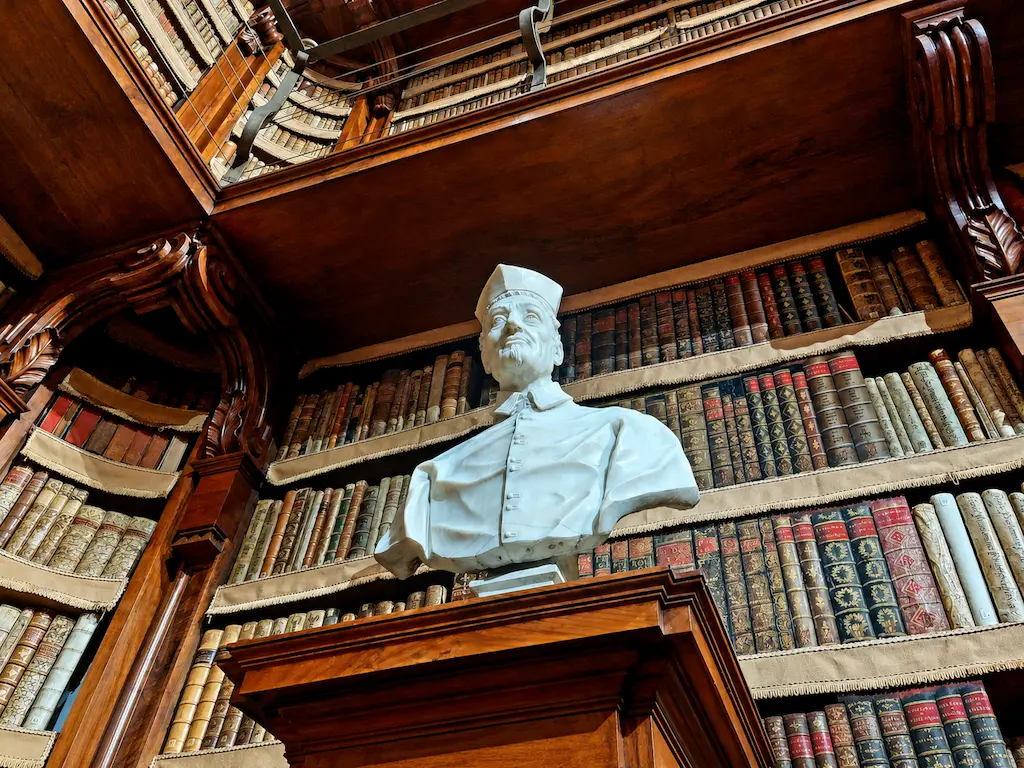
History of the Holy Years from their beginning to the present MDCCL, taken largely from that of P.L.F. Tommaso Maria Alfani of the Order of Preachers by Domenico Maria Manni, Florentine academic..., Florence, 1750. Similar to what happened in the current Jubilee, with the death of Pope Francis and the proclamation of Pope Leo XIV, the sixteenth Holy Year was opened by Innocent XII and closed by Clement XI.
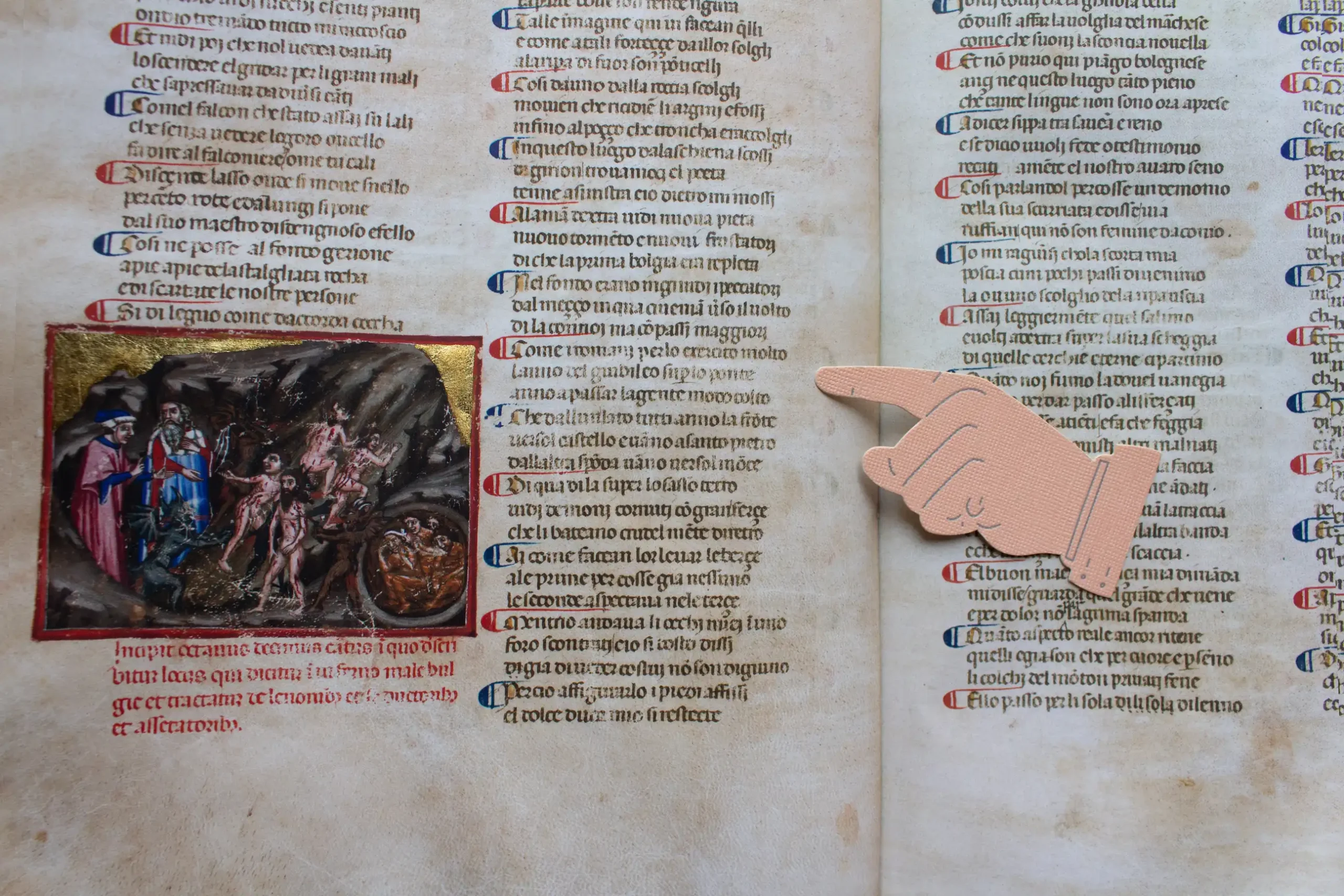
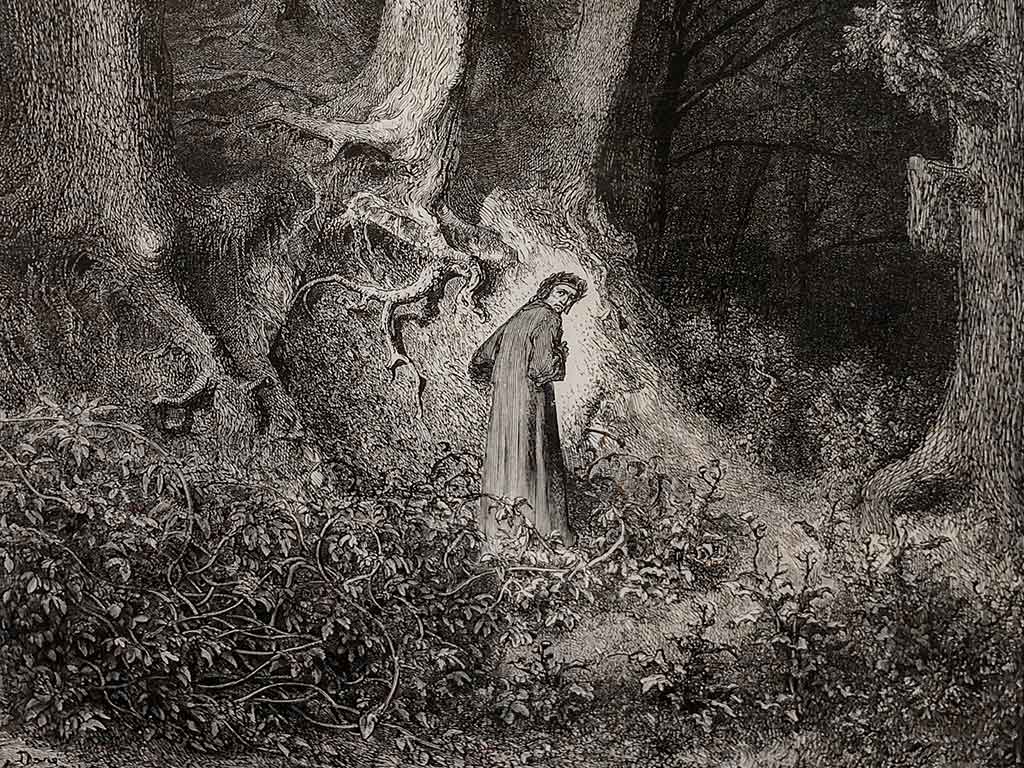
Dante and the Jubilee are linked by a special relationship. The first Jubilee, proclaimed by Boniface VIII in 1300, had a profound effect on the poet's human experience. In the Divine Comedy, Dante uses the event of the Jubilee to create similes, such as that between the movement of the damned in the first pit of hell and the flow of pilgrims on the bridge of Castel Sant'Angelo (Inf. XVIII, 28-33).
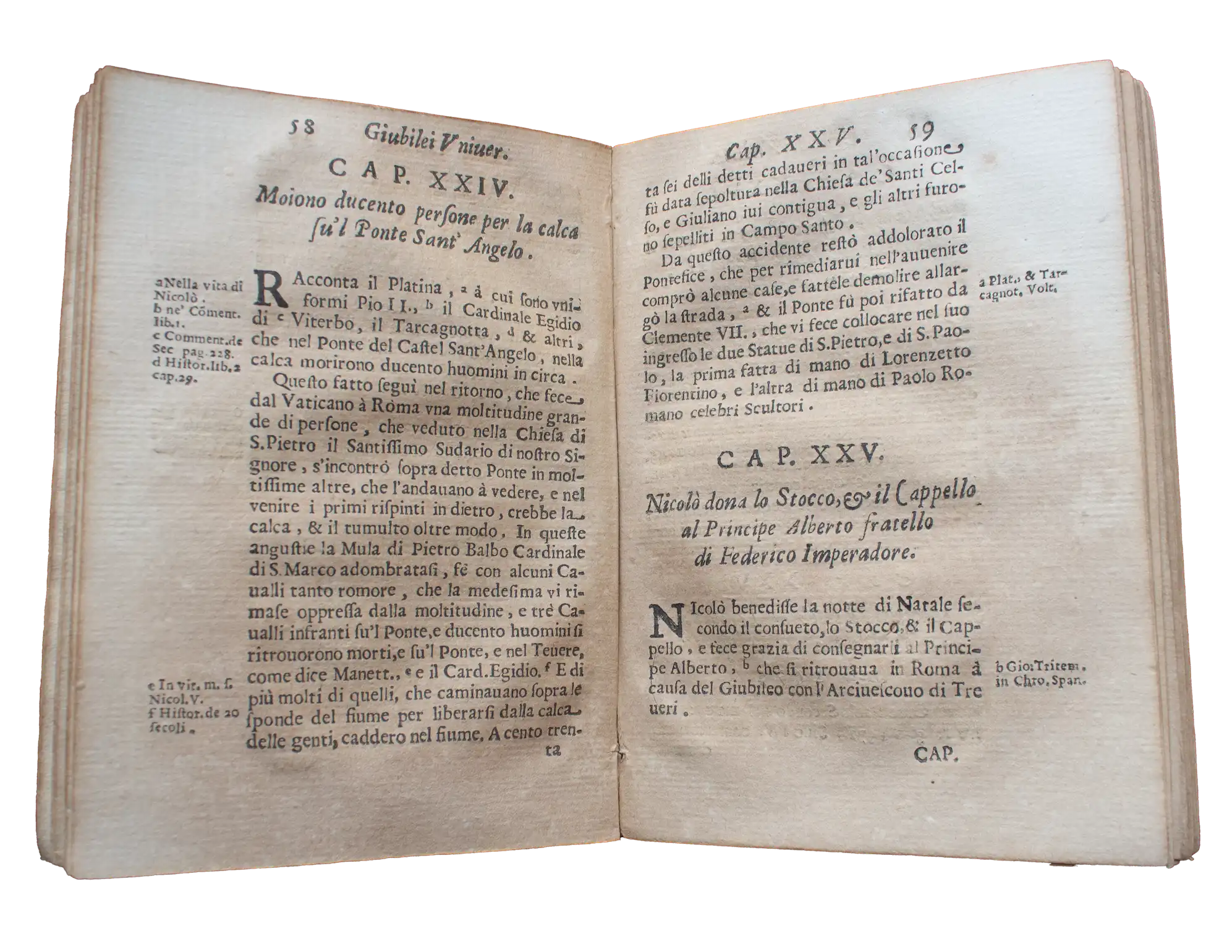
De' giubilei universali celebrati negli Anni Santi incominciandoda Bonifazio VIII. fino al presente... Rome 1675. Chapter XXIV recounts that, during the Holy Year celebrated by Nicholas V in 1450, “two hundred people died in the crush on the Ponte Sant'Angelo.”