






Notice Board 1 - The History of the Jubilee
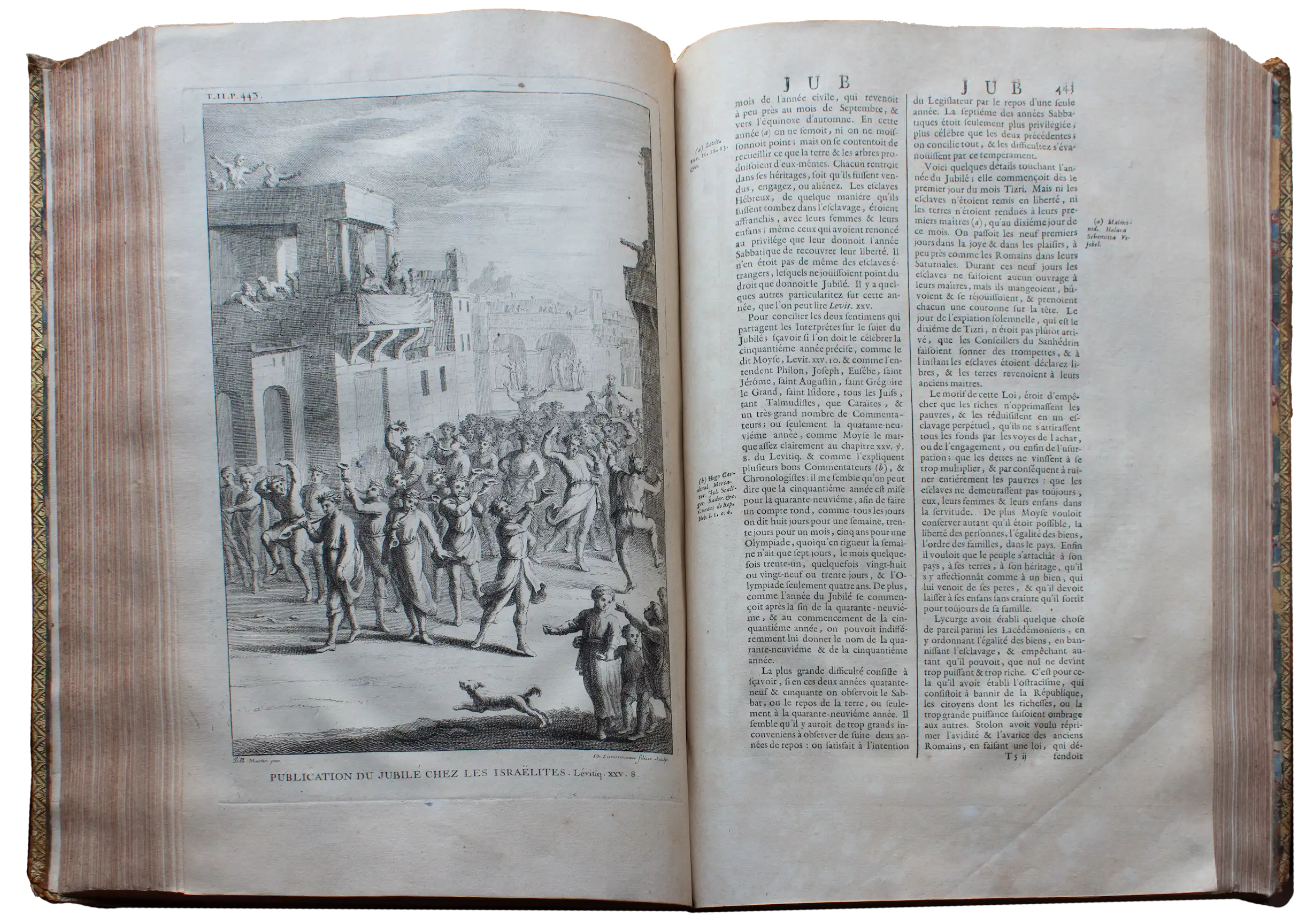
The origins of the Jubilee or Holy Year are linked to the ancient Jewish tradition described in the Old Testament. In the Book of Leviticus, Moses announces to the people of Israel that "a special year of liberation and thanksgiving will be proclaimed, in which everyone will return to their property and their family. The fiftieth year shall be a jubilee for you; you shall not sow, nor reap what the fields produce of themselves, nor gather the grapes of the unpruned vines. Because it is a jubilee, it shall be holy to you; however, you may eat the produce of the fields. In this year of jubilee, everyone shall return to his own property."
The trumpet used to announce this special year was made from the horn of a ram, an animal that is certainly symbolic of the story of Isaac's sacrifice, but also a figure of Jesus Christ sacrificed for the whole world on the cross.
The Hebrew term was “Yobel,” from which the term jubilee derives; many also consider that the word jubilee refers to the jubilation that the soul of the faithful hopes for with the total remission of sins.