



Notice Board 2 - Jubilee Practices
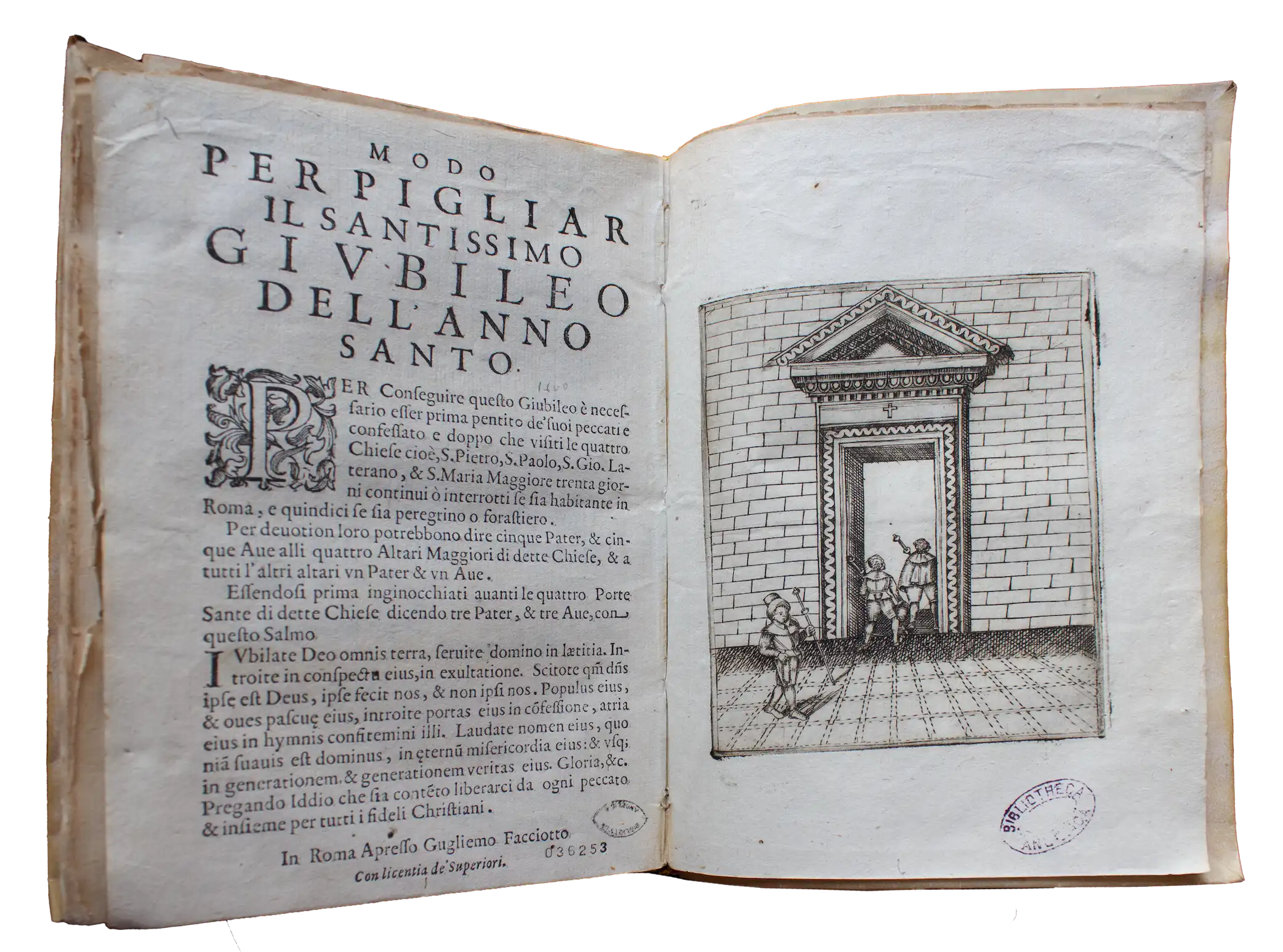
Until 1975, the Pope did not open the doors of the Holy Door, as we have seen in recent jubilees, but began the ritual by breaking down the wall, that is, by breaking some bricks with a hammer and then leaving the masons to complete the work. Later, the hammer was replaced by a symbolic object made of silver and gold. Other objects related to this ceremony are: the trowel, the bricks with the papal seal, commemorative coins, and holy water.
Indulgences: “An indulgence is the remission before God of the temporal punishment due to sins.” This gesture, which in the early years was obtained through confession and communion, was later also associated with passing through the Holy Door, a symbol of reconciliation with Christ.
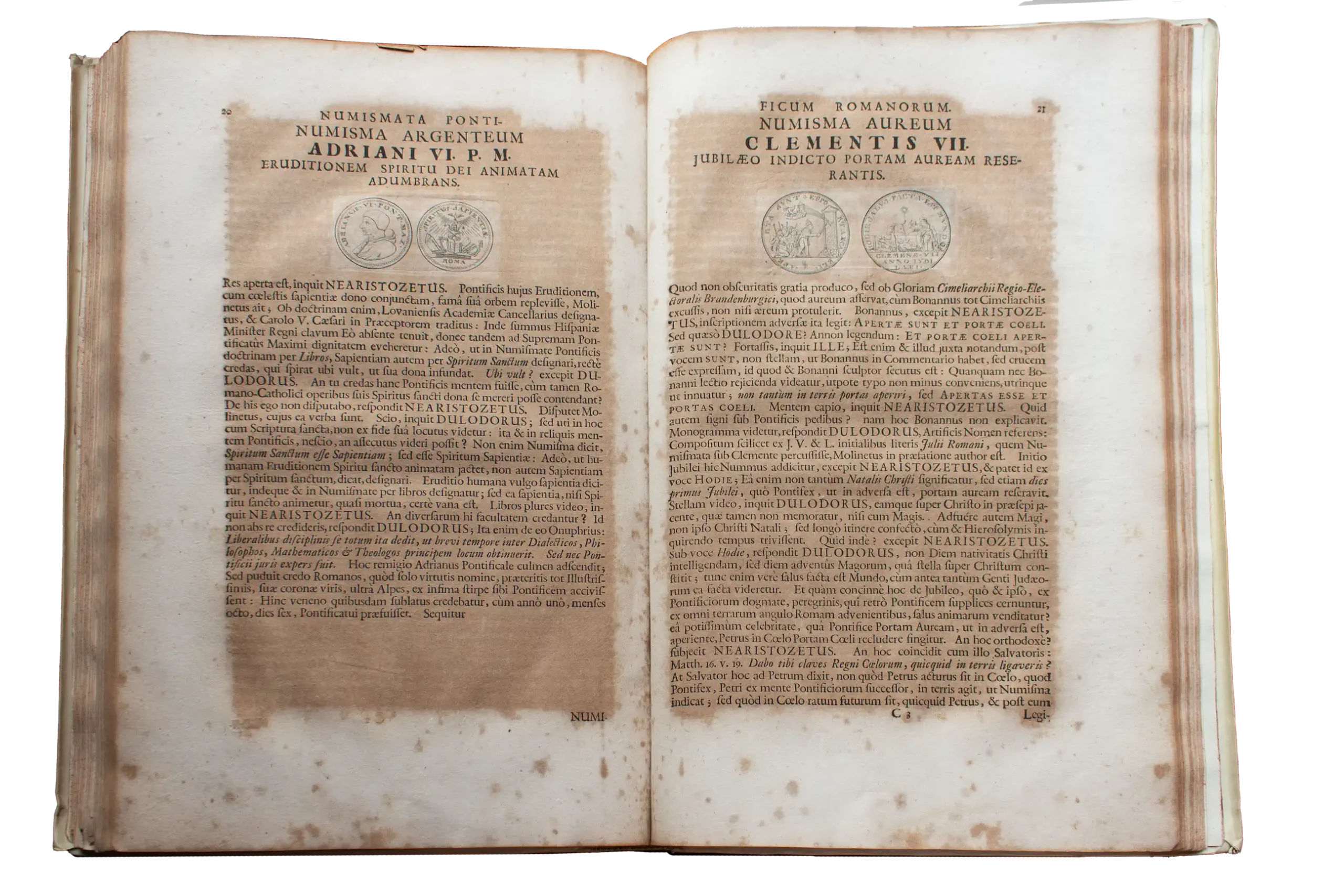
Commemorative Coin: To celebrate the Holy Year, the Vatican is minting a special Jubilee coin. The “Jubilee 2025 Coin” represents the offering left on St. Peter's tomb by a pilgrim of hope during the Jubilee of 1450.
Almsgiving: Almsgiving is closely connected to the Jubilee, as it is one of the works of mercy and penance that the faithful are called to perform in order to obtain a plenary indulgence during the Holy Year. The Jubilee is a time of grace and forgiveness, and almsgiving, along with other religious practices such as pilgrimage and prayer, is a fundamental aspect of it.