

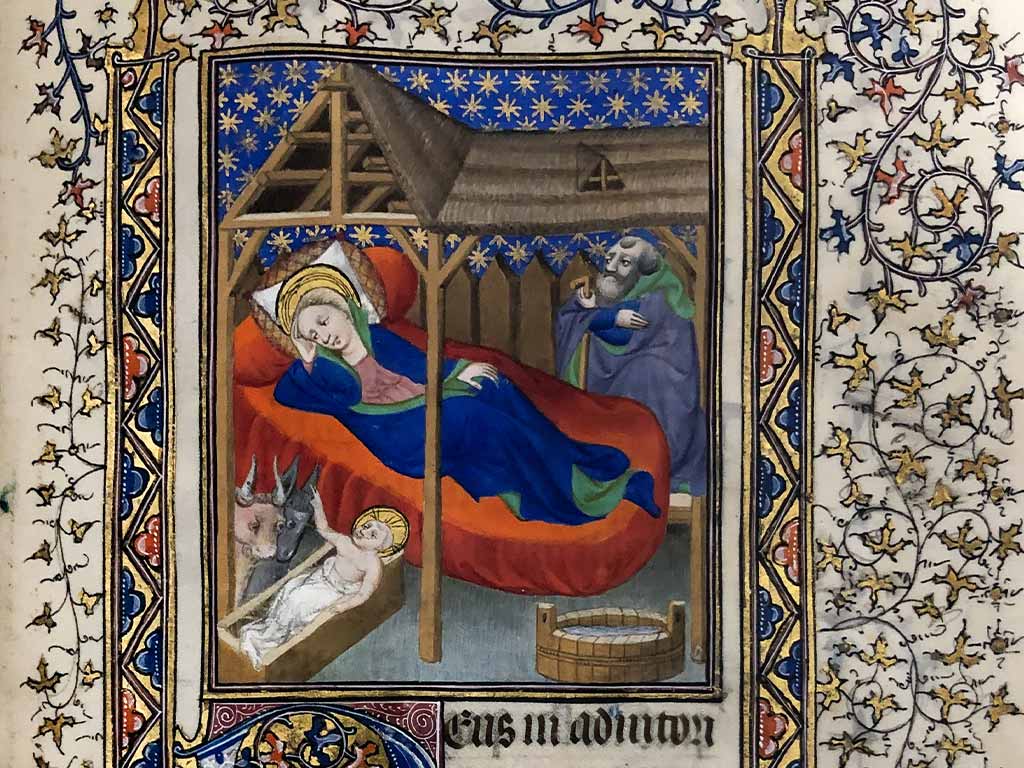


To view the manuscripts, as well as other rare and valuable volumes, for educational purposes, you may book a guided tour by arranging an appointment with the Education Service.
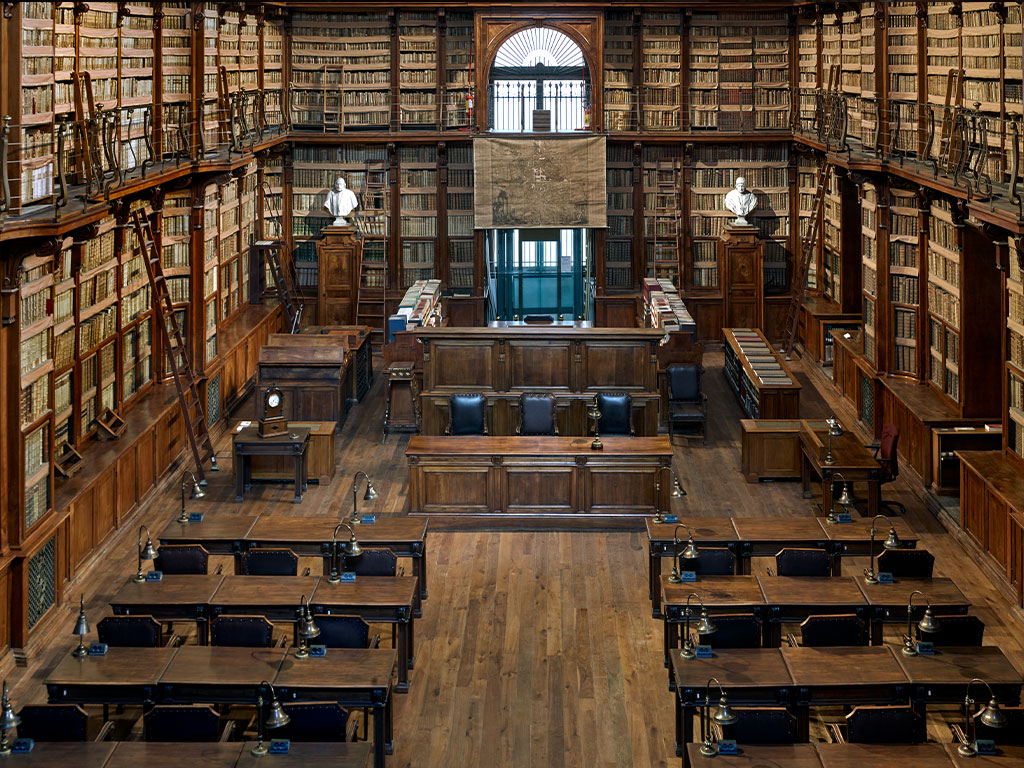
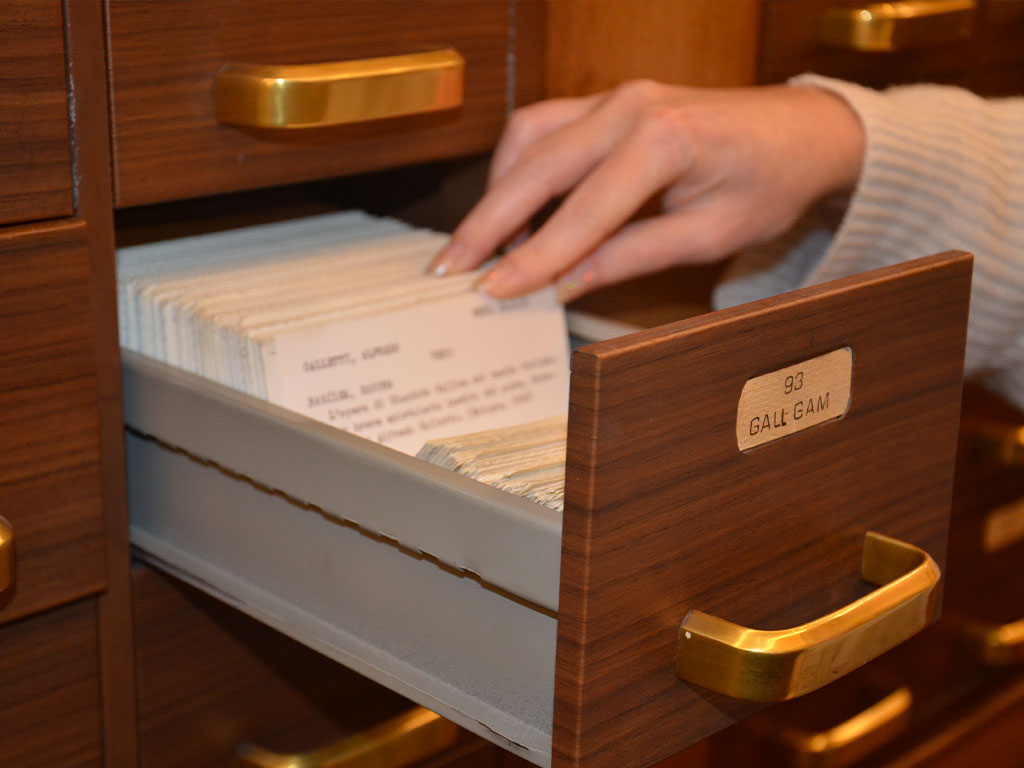
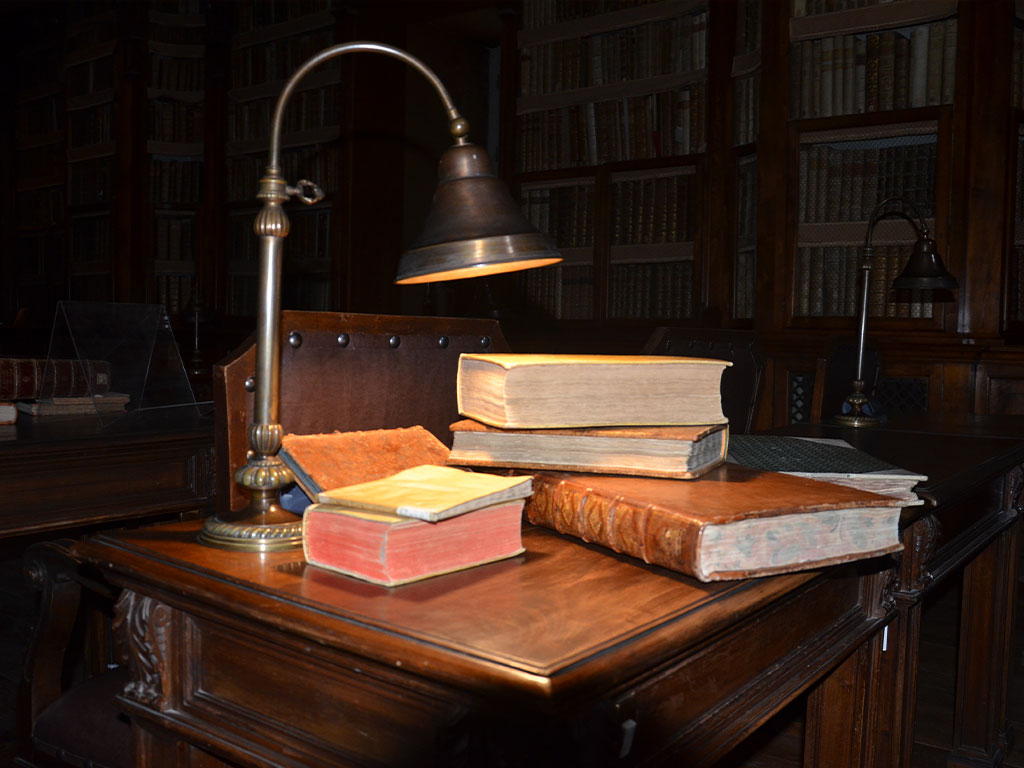
Anyone consulting manuscripts or rare materials must also comply with certain specific rules for consultation.
1. When consulting the manuscripts, only pencils may be used.
2. The books should be leafed through carefully, without resting your hands or any other objects on the pages.
3. It is forbidden to write on top of documents – whether manuscripts or rare items – using your own sheets of paper or notebooks.
4. Measurements and checks of watermarks or collation must be carried out with the utmost care.
5. It is strictly forbidden to copy drawings or other works by tracing.
6. Access to the original copies of certain illuminated manuscripts and other manuscripts of particular value or fragility, such as De balneis Puteolanis and Erbario Cibo, is subject to the Director’s authorisation.
7. At the end of your visit, and whenever you leave the Reading Room – even for a short time – you must return the manuscript or rare book you have been reading.
8. Laptops are permitted; however, the use of any type of scanner is not permitted.
9. When consulting correspondence or loose documents, the sheets must be examined and then returned, strictly adhering to the internal order within the envelopes and folders.
10. Reproductions may be made using one’s own resources solely for the purposes of study, research, the free expression of thought or creative expression, and the promotion of knowledge of cultural heritage, provided such activities are carried out on a not-for-profit basis. Free reproduction is permitted EXCLUSIVELY by means that do not involve any physical contact with the item, nor its exposure to light sources, nor, within cultural institutions, the use of tripods or stands (Article 108 of Legislative Decree 42/2004, as amended).